9358462635
info@babashyamtourandtravels.com

The Chardham Yatra is India’s most revered pilgrimage, leading devotees to four sacred Himalayan temples: Yamunotri, Gangotri, Kedarnath, and Badrinath. This transformative journey often begins in the holy city of Haridwar, nestled on the banks of the Ganges River.
Haridwar: Gateway to the Divine
Your Chardham Yatra from Haridwar begins in this vibrant city on the Ganges River, considered one of Hinduism’s holiest places. Begin your pilgrimage by witnessing the mesmerizing Ganga Aarti at Har Ki Pauri, where the river is believed to leave its divine footprint.
The Chardham Yatra is not only a journey to the four main temples, but also a pilgrimage through Uttarakhand’s breathtaking Himalayan landscapes. Discover hidden gems along the way:
Night stays during the Yatra according to this program :
PACKAGE INCLUSIONS:
PACKAGE EXCLUSIONS:


You can start your Chardham Yatra from Haridwar comfortably after enjoying breakfast and an early morning bath in the Ganga. The typical travel time from Haridwar to Barkot is 7-8 hours, with a short break at Kampty fall if preferred; otherwise, we can reach in 6 hours with a nonstop stretch. During peak season, there is often heavy traffic in Mussoorie, so we may choose to divert the route to Barkot via Vikas Nagar. In such cases, Kampty fall sightseeing might be excluded based on a last-minute decision.
Upon reaching Barkot, we will have dinner and retire for the night. Overnight stay in Barkot.
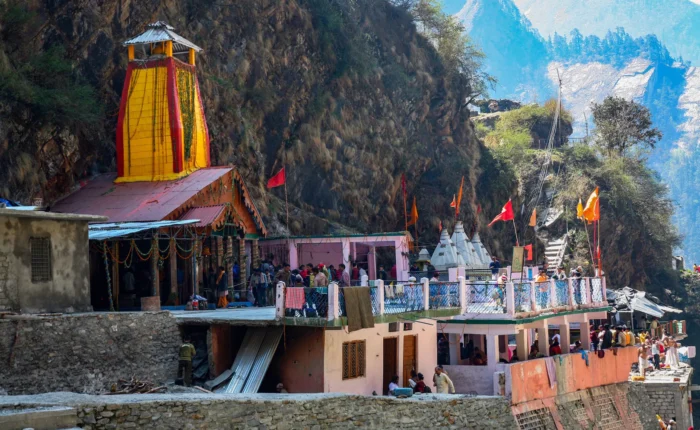
Early in the morning, depart for Janki Chatti via Hanuman Chatti & Fool Chatti. Upon arrival at Janki Chatti, embark on a 6-kilometer trek to Yamunotri. Upon reaching Yamunotri, take a holy dip in Garam Kund, followed by Pooja and Darshan of Shree Yamunotri Ji. After the Darshan and Pooja, start the trek back to Janki Chatti in the afternoon. Upon arrival at Janki Chatti, meet with the driver and drive back to Barkot. Overnight stay at the hotel.
Hanuman Chatti: This is the confluence point of Hanuman, Ganga and the Yamuna River.
Yamunotri Temple: Constructed by Maharani Gularia of Jaipur in the 19th Century, the temple has faced destruction twice in the present century but has been rebuilt each time.
Surya Kund: In the temple’s vicinity, there are several thermal springs that flow into numerous pools, with the most significant being Surya Kund.
Divya Shila: A rock pillar that is worshiped before entering the Yamunotri Temple.
In the late morning, depart for Uttarkashi after breakfast around 10 AM. Following the trek to Yamunotri the previous day, you might be tired; therefore, this day is designated for you to rest and take a proper nap. The distance between Barkot to Uttarkashi is only 4 hours, and we have planned this to ensure you have a relaxing day. As the onward journey will gradually become tiring due to increased distances between destinations and extended road travel.
Before checking into your hotel in Uttarkashi, take the opportunity to visit the Vishwanath Temple. After checking in, the rest of the day is at your leisure. Night halt in Uttarkashi.
About Uttarkashi: Situated at an elevation of 1588 meters, Uttarkashi is a charming town located between the Varuna and Ashi rivers. These rivers contribute their waters to the Bhagirathi on either side of the town. Similar to Kashi and Varanasi, Uttarkashi boasts temples and ghats, with the Vishwanath Temple dedicated to Lord Shiva being a major highlight. Other significant temples in the Chowk area include the Annapurna Temple and the Bhairav Temple. Historically, there were reportedly 365 temples in Uttarkashi. Hiuen Tsang referred to this place as Brahma Puran, while the Skanda Puran recorded it as Varunavata. Legend has it that in the second millennium of Kaliyug, Kashi will be submerged, and Uttarkashi will take its place as an important religious center. Don’t miss visiting Kashi Vishwanath, Uttarkashi, and Aadi Shakti Mata Darshan (Mahisasur Mardini).
Rituals & Activities: You will have the chance to perform Abhishek Puja in Kashi Vishwanath Temple. Upon reaching Ganganani, visit the Parasar Muni Temple, and enjoy bathing in the hot water spring (Tapt Kund) to completely relax your body after the tiring trek to Yamunotri.
Depart early in the morning for Gangotri with a packed breakfast. After offering prayers and having Pooja Darshan, drive back to Uttarkashi. En route, visit Gangnani. Overnight stay at Uttarkashi.
Gangotri: The Gangotri temple, an 18th-century structure dedicated to Goddess Ganga, is located near a sacred stone where King Bhagirath worshipped Lord Shiva. According to legend, Ganga is believed to have touched the earth at this spot. Another legend states that the Pandavas performed the great Deva Yagna here to atone for the death of their kinsmen in the epic battle of Mahabharata. The temple is an exquisite 20-ft high structure made of white granite.
Gangnani: On the way to Gangotri, you’ll find the hot water spring at Gangnani, where one can have a refreshing bath in the kund called Rishikund. There is a temple near the kund dedicated to Sage Parashar, believed to be the father of Ved Vyas.
Rituals and Activities: Perform Snan at Gangotri Ghat (VIP Ghat), Ganga Pujan & Aarti at Gangotri Ghat, Darshan of Bhagirath Shila, Darshan of Gauri Ganesha Temple, and finally, Gangotri Temple Darshan. Afterward, make sure to have Darshan of Surya Kund. While returning, visit the Gupteshwar Mahadev temple in Dharali, and interact with Tibetan culture and people in Harsil.
Leave early in the morning with a packed breakfast for a nearly day-long drive to Sitapur via Guptkashi. During your journey, you’ll pass through areas where the Ganga flows and witness the impressive Tehri Dam, which is a Hydro Electric Project. Expect an overnight stay in a hotel at Sitapur/Guptkashi. This stretch is the longest road travel between the destinations of the entire Chardham Yatra. Occasionally, the journey may take more than 10 hours if there is traffic congestion. Upon reaching Sitapur/Rampur/Guptkashi, we will take some rest. Night stay at the hotel.
This is the day when you are preparing for the Chardham Yatra’s most wanted and toughest part – the darshan of Shri Kedarnath Ji. We have designed the program for both pilgrims who prefer to trek or complete the journey by helicopter.
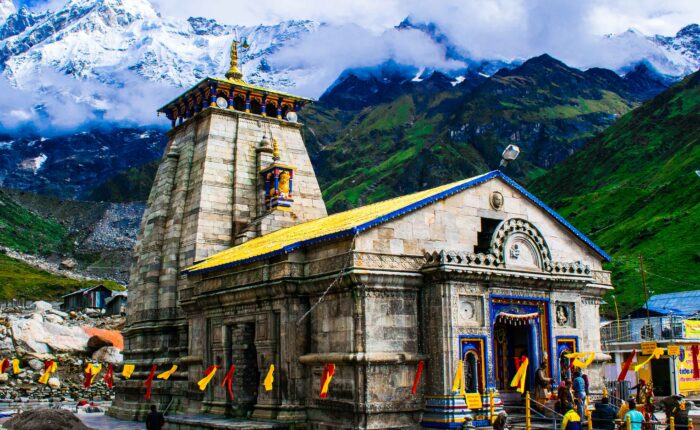
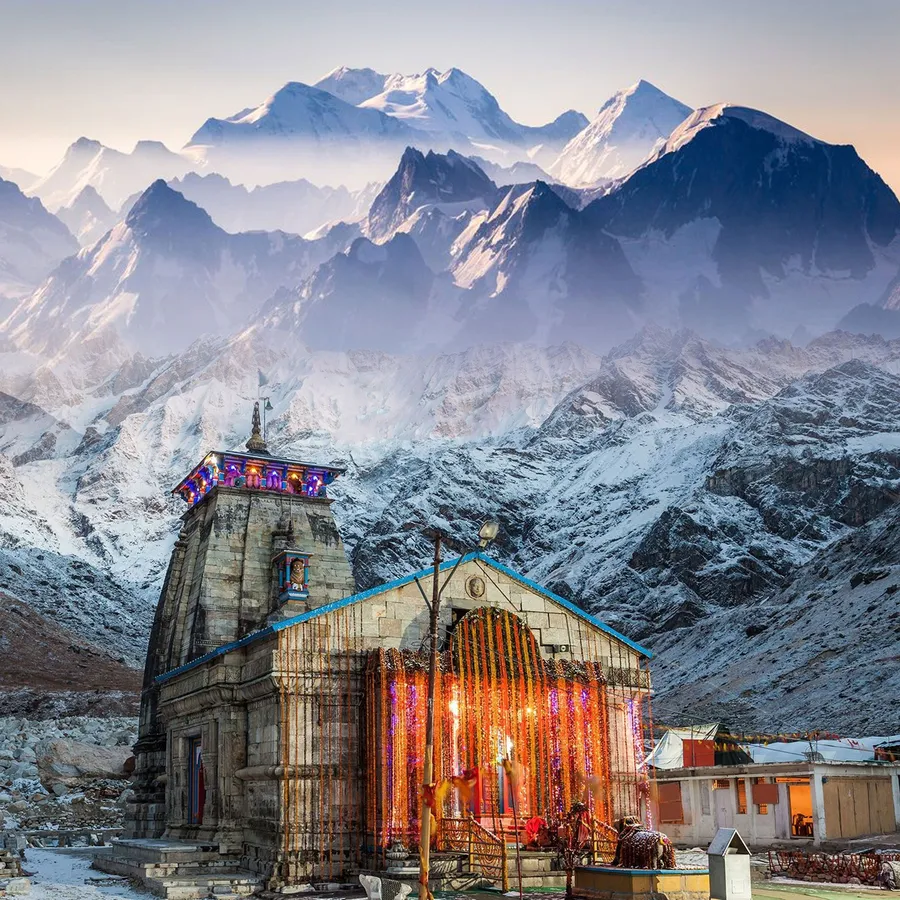
For Pilgrims Opting Helicopter Services: Pilgrims who have made advance reservations for helicopter tickets to Shri Kedarnath Ji can return the same day to Sitapur or Phata base after having darshan. The availability depends on the helicopter services’ operational capacity or constraints. You can choose to stay in Kedarnath Ji in government-provided camps or huts, or private accommodations. We can arrange stays in recommended guest houses that are comfortable and near the temple. If there are last-minute delays due to weather or technical reasons, accommodation in government-provided tents/camps or available guest houses in Kedarnath Ji will be arranged. The provided accommodations are well-managed with hot water facilities for devotees. Staying in Kedarnath Ji is a truly amazing experience, especially in the evening when you get the chance to witness the Aarti and Rudra Abhishekam of Lord Shiva. It becomes one of life’s most memorable moments when you immerse yourself in the blessings of Lord Shiva.
For Pilgrims Trekking to Kedarnath Dham: Morning drive to Sonprayag-Gaurikund (07 km drive-one way). The trek is 19 km long from Sonprayag and can be tiring for those who are not familiar with mountain treks or regular walking. Rest, a slow pace, and calm breathing strategies are always helpful in completing this trek. On arrival at Kedarnath, freshen up, perform Pooja, and have darshan at Shri Kedarnath Ji. Most trekkers to Shri Kedarnath Ji use to stay here. Accommodations can be in government-provided camps or huts, or private accommodations. We can arrange stays in recommended guest houses that are comfortable and near the temple. The evening stay in Kedarnath Ji is truly amazing when you get the chance to witness the Aarti and Rudra Abhishekam of Lord Shiva. It becomes one of life’s most memorable moments when you forget your material karmas and live in the blessings of Lord Shiva.
Note: The road from Rudraprayag to Guptkashi/Phata is good for small/light vehicles, but the onward road to Gaurikund is in bad condition. The 14 km old trek route along the river Mandakini from Gaurikund to Rambara and then to Sri Kedarnath is washed away at many places. Now, a new trek is approximately 19 km long, climbing up to 13,000 ft. and then descending to Sri Kedarnath at 11,760 ft. It is not possible to travel this distance in one day, so a one-night stop will be required. Govt. provides basic arrangements like Wifi and health camps to serve pilgrims better and also allows night stay at Sri Kedarnath. Pilgrims now have a new opportunity to see BHIM SHILA, a new mythological attraction. A giant stone protected Kedarnath Ji Temple during the disaster time.
Rituals & Activities: Visit Gauri Kund, Darshan of Kedarnath Ji Temple, Bhim Shila, and a chance to meet Gurus and Sadhus meditating for a long time in Kedarnath.
On this day, we will stay in Sitapur to keep a buffer time in hand, allowing for any last-minute delays due to bad weather, technical issues, or medical reasons. This approach is the best way to arrange an itinerary for both trekkers and flyers to Shri Kedarnath Ji. Lack of geographical knowledge and the unpredictable climate of this divine land sometimes leads to challenges for passengers, travel agents, or tour operators who plan a tight schedule with only two nights in the Kedarnath Ji region. This can create problems and disruptions in the overall program. To maximize the use of this day, you may also cover the sightseeing or Darshan of Shri Triyugi Narayan Temple (optional and chargeable extra).
Highly Important to Note & Understand:
It’s crucial to understand that the Kedarnath Ji Yatra in the Chardham sector is of utmost importance for pilgrims visiting during summer or winter. The Kedarnath region is unpredictable in terms of weather turbulence during trekking or flying, and technical or operational constraints can sometimes lead to delays in completing the journey to Kedarnath Ji. There are unforeseen circumstances that can disturb your schedule if you are rigid with your pre-reserved program. Therefore, it is recommended to opt for a buffer day in hand, staying in this region for three nights (Sitapur/Rampur/Phata/Guptkashi, including a night in Kedarnath Ji, if required or optional). It is essential not to prefer a hectic program or itinerary that only suggests two nights in Sitapur or the Kedarnath Ji sector. As an experienced Chardham Yatra service provider, we recommend these important options, allowing you to choose a program that suits your needs and convey this information to your co-passengers or associates.
After a normal and comfortable wake-up and breakfast, we will proceed to Badrinath Ji via Chopta-Pipalkoti-Joshimath-Govindghat. On the way, enjoy the en-route view of the amazing Chopta and Himalayan Ranges. We will have a glimpse of three major Prayags (Confluence of Holy Rivers) by visiting Vishnuprayag, Karnprayag, and Nandprayag. Vishnuprayag is where two rivers, Dhauli Ganga & Alaknanda, converge. Karnprayag is the confluence of river Pindari and river Alaknanda, and Nandprayag is the confluence of river Nandakini and Alaknanda River.
The road from Guptkashi to Chopta and then to Pipalkoti is suitable for small vehicles, and the road from Pipalkoti to Joshimath is even better. We will reach Badrinath in the evening, and you will have the opportunity to participate in the evening Aarti if we arrive on time. It’s hard to resist visiting the Shree Badrinath Ji (Moksha Dham) upon reaching there. Overnight stay followed by dinner.
This is the day of the completion of all your pending rituals and karmas. At this Moksha Dham, your quest for salvation will be fulfilled. The program is designed to give you maximum time in this sacred land. As we are staying in Rudraprayag the next day, which is only a 5-hour drive from Badrinath, we will have almost half a day to complete our rituals and Darshan. In the late morning, by a maximum of 12:00 Noon, we will proceed to Rudraprayag.
Rituals & Activities on this day in Shri Badrinath:
Badrinath Dham: Cradled in the twin Mountain ranges of Nar and Narayan is the holiest of the four main shrines – Badrinath along the left bank of the river Alaknanda with the towering Neelkantha Peaks as the splendid backdrop. Once the spot was carpeted with ‘badris’ or wild berries and hence was famous as Badri van. Legend has it, when the Ganga was requested to descend to earth to help suffering humanity, the earth was unable to withstand the force of its descent. Therefore, the mighty Ganga was split into 12 holy channels. Alaknanda was one of them that later became the abode of Lord Vishnu or Badrinath.
Narad Kund: A recess in the river, near Tapt Kund, forming a pool from where the Badrinath idol was recovered.
Brahma Kapal: It is a flat platform a few yards north of the temple and on the bank of the river Alaknanda. It is an important place for shraddha ceremony or offering of pinds to ensure a heavenly place for dead ancestors or manes.
Sheshnetra: It is a large block of stone between two small seasonal lakes carrying an eye of “Sheshnag.”
Mana Village: Inhabited by an Indo-Mongolian tribe, it is the last Indian village before Tibet. The women of the village offer Choli to the deity on the closing day of the temple each year.
Bhim Pul: On the other side of Mana village, a massive rock forming a natural bridge lies over the roaring Saraswati river. It presents a spectacular view of water thundering down through the narrow passage under the rock and is believed to have been placed there by Bhim, the second eldest among the five Pandava brothers.
Vyas Gufa (Cave): Near Mana Village, this is a rock-cave where Ved Vyas is believed to have composed the Mahabharata and the Pauranic commentaries.
Early in the morning after breakfast, we will make a short visit to MahaRudra Temple at Sangam, the confluence of Alaknanda & Mandakini. Here, you can have Darshan of Maa Chamunda Devi Shakti Peeth. After that, we will proceed to Rishikesh, and on the way, we will view the 5th and last Prayag – Dev Parayag in this route. Arrive in Rishikesh and visit Laxman Jhula and Ram Jhula on your own, as this is not motorable. The vehicle will wait for you in the parking area.
The best way to visit this part of Rishikesh is to enter by Laxman Jhula and exit from Ram Jhula. You can explore many Ghats, temples, and beautiful Ashrams. Rishikesh is considered the next home of Sadhus & Saints and is often referred to as the Capital of Yoga. Keep an eye on the time if you missed the Ganga Aarti on day 01 upon arrival in Haridwar. It is in your hands to manage your sightseeing efficiently and reach Har-Ki-Pauri, Haridwar for Ganga Aarti. The Aarti generally starts around 6:00 PM in summers and 5:15 PM in winters. Those who have already enjoyed it on day 01 can have the opportunity to spend some more time in Rishikesh.
Late in the evening, before dinner, reach Haridwar. This is your last day and evening, so make sure to arrange your bags and pack. In the evening, you can enjoy shopping in Haridwar and Rishikesh.
Note: This is the day when we drop you in Haridwar for the final departure as per this program. Please inform us in advance about your train or flight schedule so that we can drop you off at the departure point well in advance. Passengers who have booked departures by train or flight early morning or afternoon on this Day 10 as per the schedule need not stay in Rudraprayag. They can come straight from Badrinath to Haridwar. In this case, we need to depart from Badrinath early in the morning as soon as possible.
It is advised to pilgrims or passengers not to rush in their return booking to their final home destination. At least one should keep 01 day buffer time in hand to enjoy the finishing of this Yatra. The end is the beauty of this Yatra. Therefore, it is requested to discuss properly in advance with your travel agent while planning Chardham Yatra in 10 Days. You can also ask us to book your stay in Haridwar on Day 10 at a very nominal cost.